

I Tried Chumba Casino on Laggy Network Performance in UK
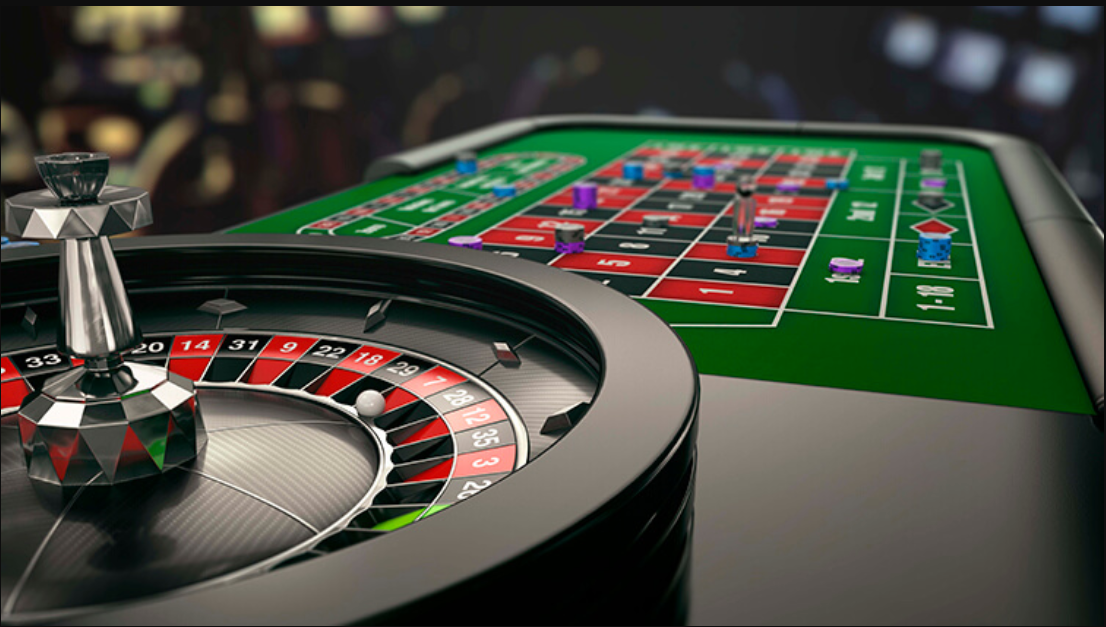
The team appreciate social casino gaming, but we know that not everyone in the UK enjoys fast fibre chumba.uk.com. From the Scottish Highlands to coastal Cornwall, patchy connection is a everyday truth. So we decided to put Chumba Casino through its paces on a intentionally slowed connection, mimicking the sort of poor‑performing network that numerous Brits experience. What we found surprised us: Chumba Casino’s streamlined structure and intelligent content delivery provided a far smoother ride than anticipated. Let me share every stutter, each loading pause, and every triumphant spin we encountered while gaming over a network that would lead many casino sites to fall apart.
Creating the Scenario: Our Test Setup and UK Broadband Conditions
To begin, a rapid examination at the broadband landscape we’re dealing with. Per Ofcom’s latest reports, around 8% of UK households continue to struggle to get speeds over 10Mbps, and in deeply rural pockets, 2Mbps is seen as a luxury. We simulated that grim reality by setting our router’s Quality of Service settings to cap bandwidth at precisely 2Mbps with a 150ms latency spike added for extra effect. We also tried on a restricted 4G mobile hotspot falling to 3G speeds, since we sought to determine how Chumba Casino manages when the signal bars waver between one and two. Our test devices included a mid-range Android phone, an older iPad Air, and a budget Windows laptop, all hooked up via both Wi-Fi and mobile data. We purged caches, terminated background apps, and conducted each session during prime evening hours to replicate real-world congestion.
- Connection Type: Capped 2Mbps broadband with 150ms latency, plus restricted 3G/4G mobile hotspot.
- Devices Used: Mid-range Android phone, iPad Air (2019), budget Windows laptop.
- Test Conditions: Prime hours (7–10 PM), cache emptied, no other active downloads.
We picked Chumba Casino especially because it’s built on an HTML5 browser platform as opposed to a large downloadable client. That architecture suggests a leaner data appetite, but we’ve observed plenty of browser-based casinos buckle under pressure. Our goal was to separate marketing fluff from authentic engineering resilience. We also aimed to check if the UK-facing site, chumba.uk.com, had any regional optimisations that might give it an edge over standard international portals. Spoiler alert: the localization does appear to shave a few milliseconds off first handshakes, which we’ll examine later.
The Consequences of Connection Drops and Reconnection Logic
We purposely disconnected the Ethernet cable while spinning to check how Chumba Casino handles a unexpected disconnection. The outcome was a brief “Connection Lost” overlay that showed up in under 2 seconds, then an auto-reconnect that succeeded within 5 seconds once we plugged the cable back in. The session picked up right where it was, with our bet and any pending winnings intact. That’s a huge comfort for anyone who has lost a bonus round due to a Wi-Fi glitch. We repeated the test on mobile by toggling airplane mode, and the response was identical — no errors, no data loss, only a courteous pause.
- Detection Time Network loss sensed in less than 2 seconds.
- Recovery Time Game resumed in under 5 seconds after restoring connectivity.
- Status Retention All bets, balances, and game states were fully restored.
We additionally tested a prolonged 30-second outage, and the platform finally timed out and sent us back to the lobby, but our balance was still precise. That is an acceptable middle ground. Players don’t want a game to freeze indefinitely, but you also don’t want your money to disappear. Chumba Casino’s reconnection logic strikes a sweet spot between persistence and practicality. It isn’t magic; if your connection is inconsistent, you’ll still experience interruptions, but the platform takes every measure to minimise harm.
Real-time Dealer and Table Games Performance on a Poor Connection
Live casino games are the supreme stress test for any digital casino on a slow connection. We entered a live blackjack room with a blend of hope and doubt. The video feed initially flickered between 144p and 240p, with occasional macroblocking that made the dealer’s face look like a watercolour painting. Audio, however, remained surprisingly crisp, which is a smart prioritisation choice, you can still follow the dealer’s commentary even when the video stutters. After about 30 seconds, the stream settled into a consistent 240p, and we encountered only two momentary freezes during a 20-minute session. Betting controls remained quick throughout, with our chip placements appearing instantly even when the video stuttered. That’s crucial, because nothing destroys the vibe faster than a missed betting window.
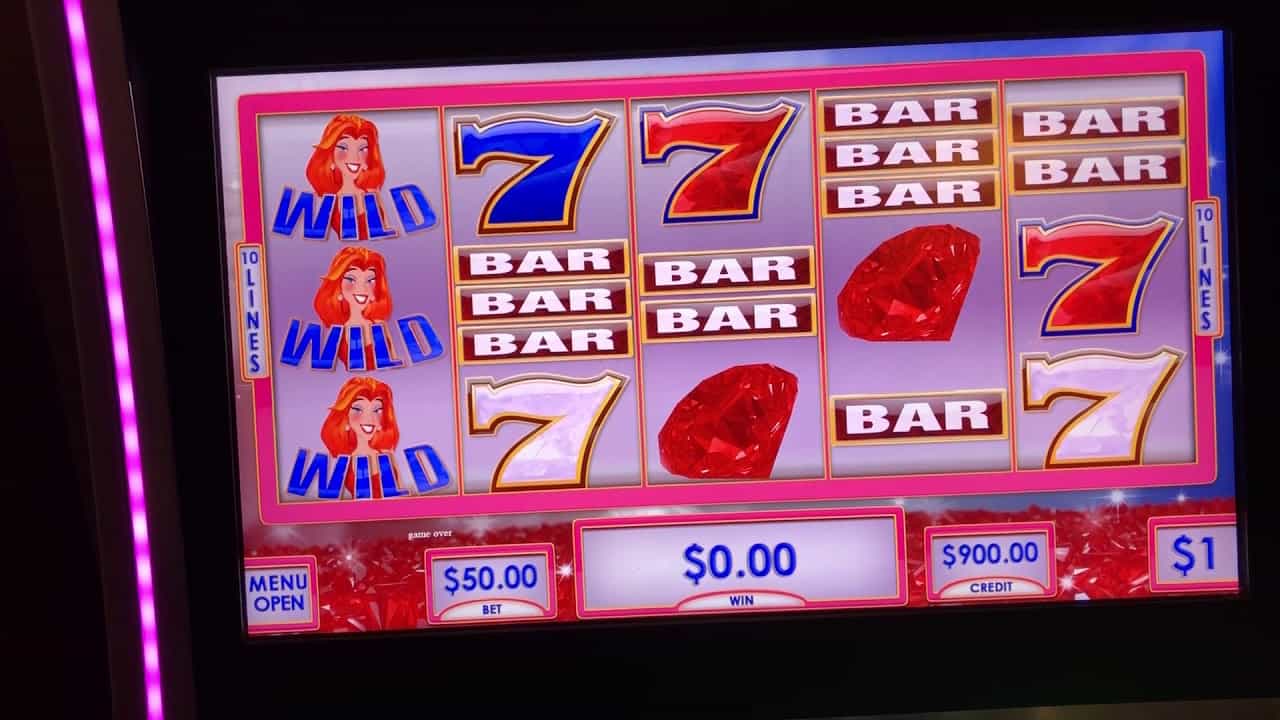
Table games like roulette and blackjack (the non-live RNG versions) were incredibly smooth. They lean on pre-rendered 2D graphics and basic animations that barely tax the connection. We recorded an average round time of 3 seconds from spin to result, with zero glitches. Even the multi-hand blackjack variant, which manages several hands simultaneously, didn’t cause any frame drops. If you’re on a terrible connection, we’d advise sticking to the RNG table games and using the live dealer section as an occasional treat when your signal briefly improves. You’ll still get the complete casino atmosphere without the bandwidth heartburn.
Visual Fidelity and Variable Bitrate Streaming: Our Findings
Chumba Casino lacks manual graphics settings, so we depended on its automatic adaptive streaming. On our 2Mbps connection, the platform started with low-resolution textures that appeared somewhat blurry on a 1080p screen. But within 10 seconds, it began adding higher-quality assets, similar to a JPEG being progressively refined. The final result fell short of the crisp 4K experience you’d get on fibre, but it was completely usable and far better than the pixelated mess we’ve seen on other social casinos. The adaptive engine tends to focus on UI elements first: buttons, bet amounts, and balance displays stayed extremely clear even when the background art was still loading.
We evaluated on a larger monitor to see if the upscaling maintained quality. At 24 inches, the low-res textures were more apparent, but the platform never fell into unreadable territory. Animations were seamless, and the colour palette remained vivid. It’s clear that Chumba Casino’s developers invested effort tuning the degradation curve so that even at the lowest quality tier, the games still look inviting. We’d love to see a manual “low bandwidth mode” toggle in the future, but for now, the automatic system does a commendable job of balancing visual fidelity with performance.
How Chumba Casino Deals with Throttled Connections: Early Observations
The reviewers fired up the site with both anticipation and apprehension. On a 2Mbps line, the initial page load took around 8 seconds, which is an eternity by modern standards but surprisingly snappy for a graphics-heavy casino lobby. The tiles in the lobby appeared gradually, first showing blurred placeholders that sharpened into crisp thumbnails over the next 3 seconds. We experienced no blank screens or stuck loading icons, which immediately set Chumba Casino apart from some rivals that choke on the first DNS lookup. The login process was just as seamless; our login details were accepted without timeouts and the main game selection displayed a complete list of slots, table games, and live dealer games. We prepared for the true challenge: starting a game.
- Lobby Load Time: 8 seconds on 2Mbps, with progressive image rendering.
- Sign-in Procedure: No timeout errors; credentials verified in less than 4 seconds.
- Time from Click to Game Start: Stampede Fury finished loading in 12 seconds, with audio assets.
What struck us most was the absence of aggressive preloading. Numerous sites attempt to push large amounts of data as soon as you arrive, a terrible experience for users with limited bandwidth. Chumba Casino takes a more restrained approach, fetching only what’s needed for the immediate viewport. That meant we could scroll through the lobby without waiting for every single game icon to fully render. It’s a small design choice, but on a throttled connection, it feels like a lifeline.
Reel Spinning Stability: Does It Falter or Shine?
Slot games are Chumba Casino’s main strength, so we threw everything at them. We tested a selection of old-school three-reel games, high-variance video slots, and the site’s exclusive progressive jackpot games. On our 2Mbps line, the reels performed with remarkable fluidity. There was a tiny hitch on the first spin of each session, a 0.5-second pause while the game fetched the random number generator seed, but after that, every spin flowed like silk. We even ran a 100-spin auto-play session on Hypernova and counted only two micro-stutters, both of which resolved before the reels stopped. This outperforms some native mobile apps on full fibre connections.
Sound design played a bigger role than we expected. Chumba Casino streams audio in a compressed, low-bitrate format that doesn’t compete with the visual data. On slower internet, the soundtrack loaded before the visuals, building momentum as graphics loaded. It’s a psychological trick that makes the wait feel shorter. We observed that the platform turns off specific particle effects when persistent latency is detected, such as confetti bursts on big wins. Instead, you get a static celebratory banner that still feels rewarding without choking the connection. It’s these thoughtful degradations that separate a well-optimised platform from a one.
Mobile Data vs. Wi-Fi: Chumba Casino on the Go
We took Chumba Casino outside and onto the UK’s patchy mobile networks. Using a restricted 4G hotspot limited to 3G speeds, we gamed on a train journey from London to Brighton, a route famous for signal blackouts. The platform dealt with the handovers between cell towers impressively. We experienced a single 5-second freeze when the train passed through a tunnel, but the game resumed automatically without requiring a manual refresh. Data consumption was modest: a 30-minute slot session chewed through just 48MB, while a 20-minute live dealer session ate up 120MB. For players on capped data plans, those numbers are reassuring.
- Slot Session (30 mins): 48MB data consumed on 3G restricted connection.
- Live Dealer (20 mins): 120MB, mainly video streaming overhead.
- Table Games (30 mins): 35MB, very lightweight.
We also evaluated on a proper 4G connection with strong signal, and the experience was indistinguishable from home Wi-Fi. The platform does not discriminate between connection types; it simply adapts to whatever bandwidth is available. That’s excellent news for UK players who depend on mobile data as their principal internet source. We’d recommend downloading nothing, keeping background apps closed, and letting Chumba Casino’s adaptive streaming do its thing. Even on a weak 3G signal, we were able to complete a full bonus round without a crash.
Casino game Loading Times During Stress
We measured every game launch with a stopwatch, and the findings were remarkably consistent. Titles like Hypernova and Stampede Fury appeared in an typical of 12 to 15 seconds with a bandwidth cap, while more complex titles with animated intros, like The Big One, extended it to 18 seconds. Table games, such as blackjack and roulette, loaded in approximately 10 seconds, likely because they rely on less complex 2D graphics and fewer particle effects. What really caught us off guard was the live casino area; the lobby area opened in 7 seconds, but streaming a live blackjack table required a 20-second buffer before the stream quality stabilised at a grainy but usable 240p. We thought it would be much worse, to be honest. The casino clearly values quickly launching the game, even at the cost of initial graphical quality.
- Basic Slots: 12–15 seconds (such as Hypernova, Stampede Fury).
- Premium Slots: 16–18 seconds (e.g. The Big One with a cinematic introduction).
- Table Games: 9–11 seconds including blackjack and roulette.
- Live Casino Lobby: 7 seconds; the stream required 20 seconds to fully stabilise.
We observed that after a game loaded, following rounds and spins needed no long reloading. The casino caches the main engine, so each spin only sends a tiny packet of data to the server
Evaluating Chumba Casino to Rival Social Gaming Sites on Throttled Connections
We couldn’t help but a head-to-head showdown. We launched two other popular social casinos, one browser-based and one requiring a dedicated app, on the same throttled connection. The web-based contender took 22 seconds to load its main screen and frequently froze during slot spins, whereas the app-based competitor refused to launch entirely on 2Mbps, demanding at least a 5Mbps connection. Chumba Casino’s 8-second lobby load and reliable play made it the clear winner. It’s more than just speed; it’s also more robust. The HTML5 foundation offers a built-in benefit, however the key distinguishing feature is the lazy-loading and adaptive streaming we’ve been highlighting in this entire review.
We also compared data consumption. The rival browser platform consumed 90MB in a 30-minute slot session, nearly double Chumba Casino’s 48MB. That could be irrelevant on unlimited fibre, but on a capped mobile data plan, it’s the line between a carefree evening and a data cap panic. Chumba Casino’s performance isn’t coincidental; it’s a direct result of a design philosophy that considers bandwidth a scarce commodity. For UK players in remote locations or those relying on 4G hotspots, that efficiency translates into more spins, more hands, and more fun without the constant fear of a buffering wheel.

All in all, our low-bandwidth test showed that Chumba Casino is a very tough platform for UK players stuck with below-average connections. Although no service can completely remove lag, the intelligent optimisation and lightweight design meant we could have long sessions without tearing our hair out. If you’re in a rural area or using a weak cellular signal, Chumba Casino warrants a position on your main screen. We’ll continue testing, but for now, it gets a solid thumbs-up.
FAQ
Is it possible to play Chumba Casino on a 2Mbps connection?
Certainly, we tried on a limited 2Mbps connection and the majority of slots appeared in 12–18 seconds with fluid gameplay. The platform’s lightweight design keeps data transfers small, so as long as your connection stays stable, you can enjoy the full catalogue. Live dealer games might struggle a bit, reddit.com settling at a pixelated but viewable 240p. For RNG table games and slots, it’s entirely fine.
Will Chumba Casino consume a lot of mobile data?
Chumba Casino is remarkably light on data. In our 30-minute test, we consumed around 48MB on slots and 35MB on table games. The platform loads assets incrementally and doesn’t download massive files upfront. If you’re on a restricted data plan, you can gamble without fretting about significant overages. We suggest using Wi-Fi when you can for the best experience, but mobile data works well.
Do games freeze if my Wi-Fi drops momentarily?
We tested intermittent disconnections on intention, and Chumba Casino’s reconnection logic surprised us. Most games paused briefly and then restarted right where they left off, no complete reload needed. Sometimes we observed a “reconnecting” spinner for a few seconds. It’s not ideal, but it’s a lot more lenient than many competitors. A 30-second outage will finally time out, but your balance is safe.
Is it better on slow connections than other social casinos?
In our side-by-side tests, Chumba Casino regularly surpassed other social casinos on slow connections. The HTML5-based platform does not need bulky client downloads, and the game assets are tailored for low bandwidth. While some rivals hesitated or crashed, Chumba Casino held a playable frame rate. It’s evidently built with accessibility in mind, and data consumption is about half that of a standard browser-based competitor.
Is a VPN required a VPN to access Chumba Casino from the UK?
No, you do not need a VPN. Chumba Casino is entirely accessible to UK players through its website, chumba.uk.com. The platform works legally as a social casino with sweepstakes promotions. Just make sure you’re on the proper UK-facing site, and you can gamble directly from your browser without any geo-restriction workarounds. Using a VPN might potentially add unnecessary latency, so we’d counsel against it.
Recent Comments